Richmond VA Starter Homes: Prices, Areas, and Tradeoffs
May 21, 2026
May 21, 2026
Are you hoping to buy your first home in Richmond without stretching your budget too far? You are not alone. In a market where prices are still competitive and good homes can move quickly, finding a starter home often means making smart tradeoffs about price, location, and condition. The good news is that Richmond still offers real options if you know what to look for. Let’s dive in.
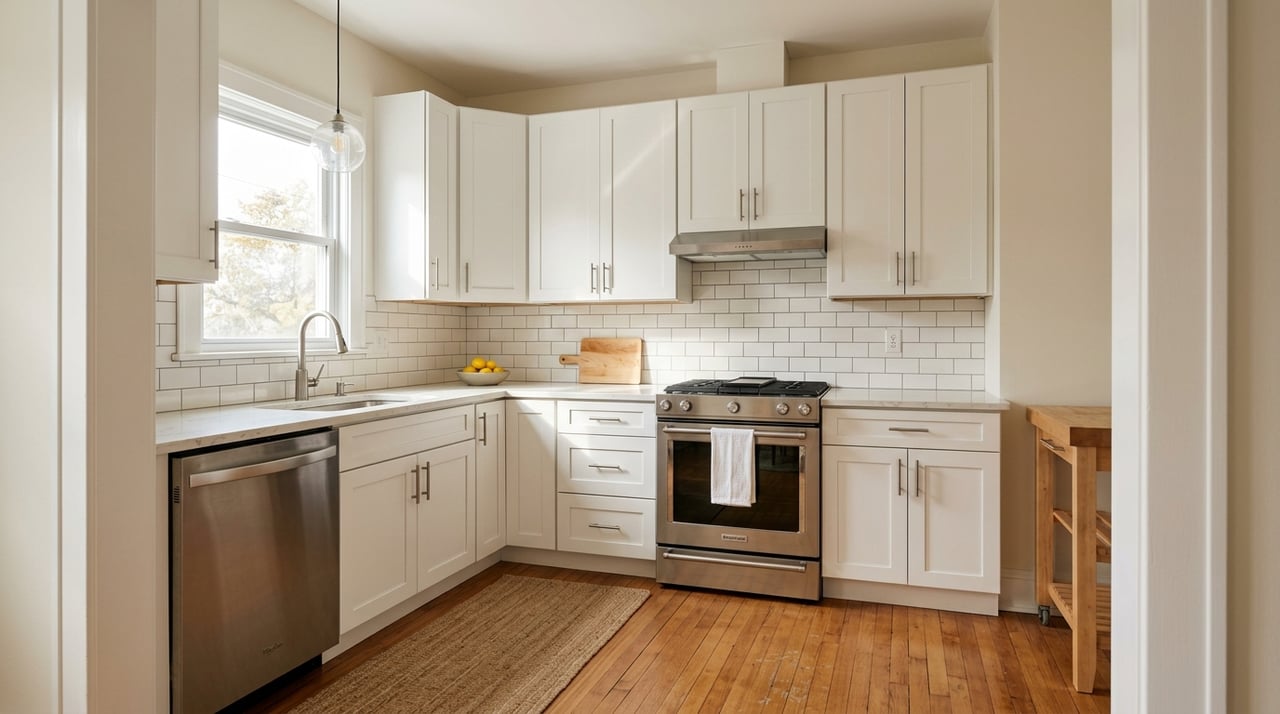
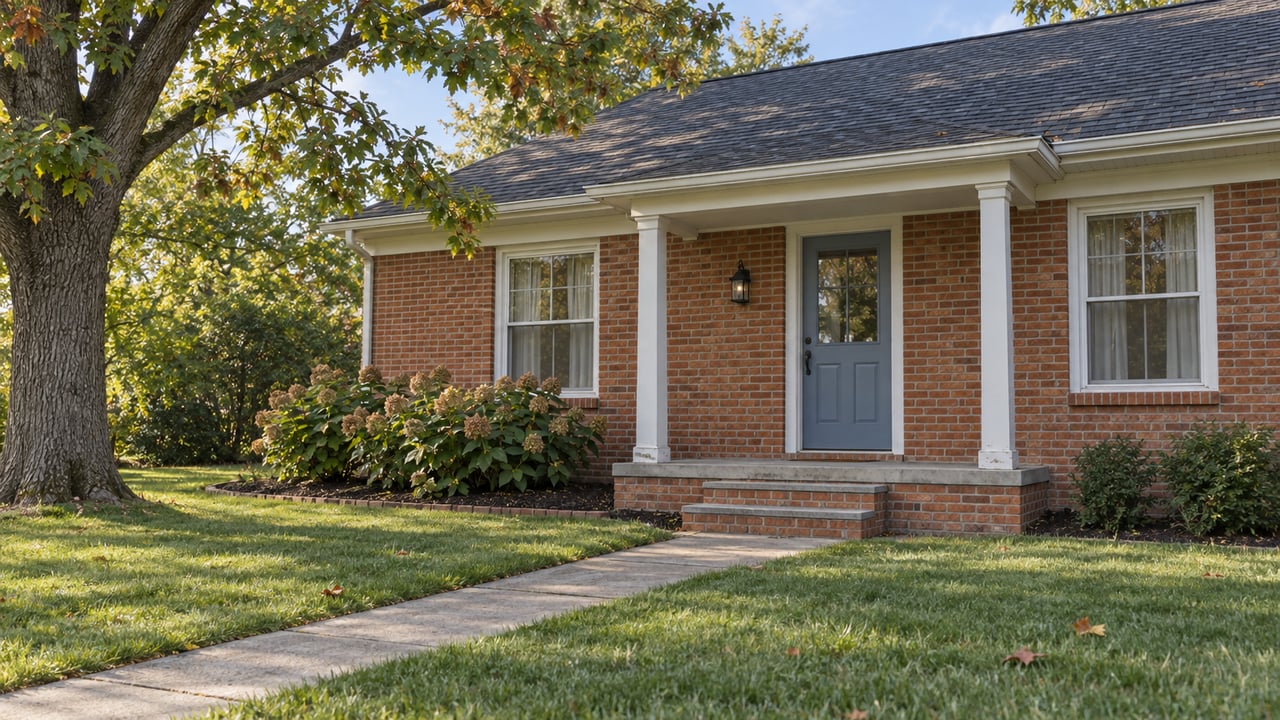
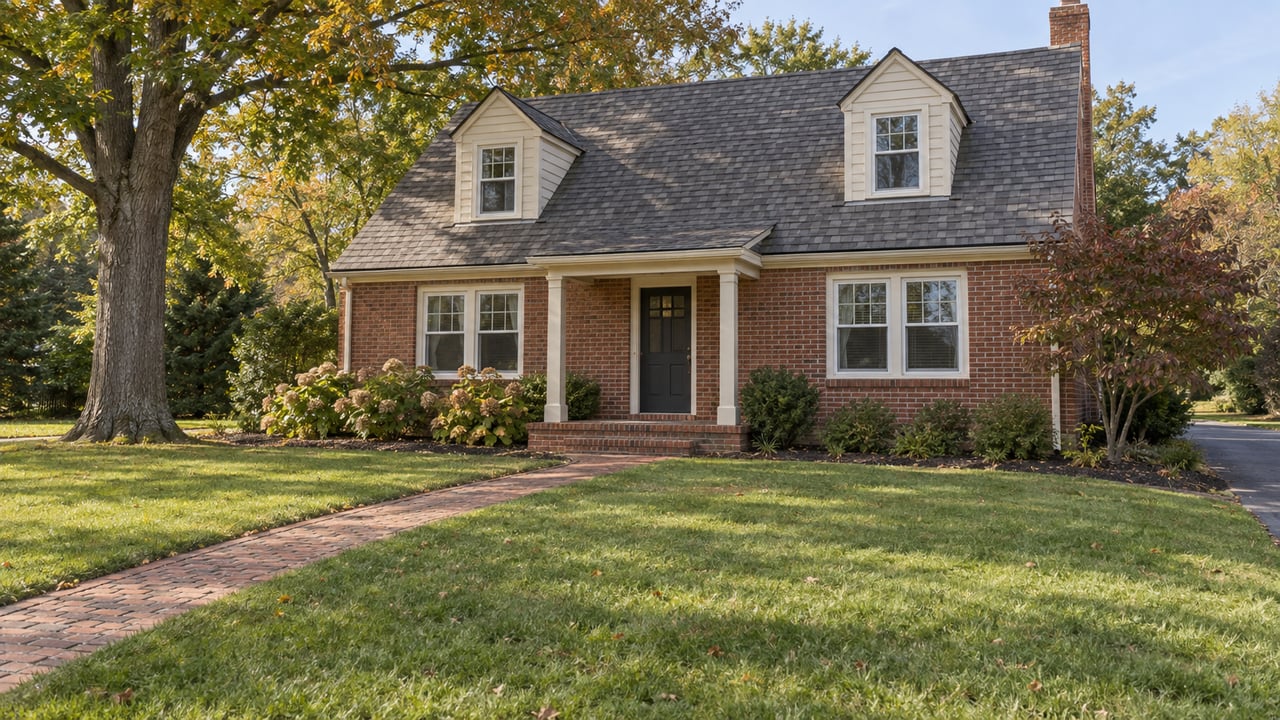
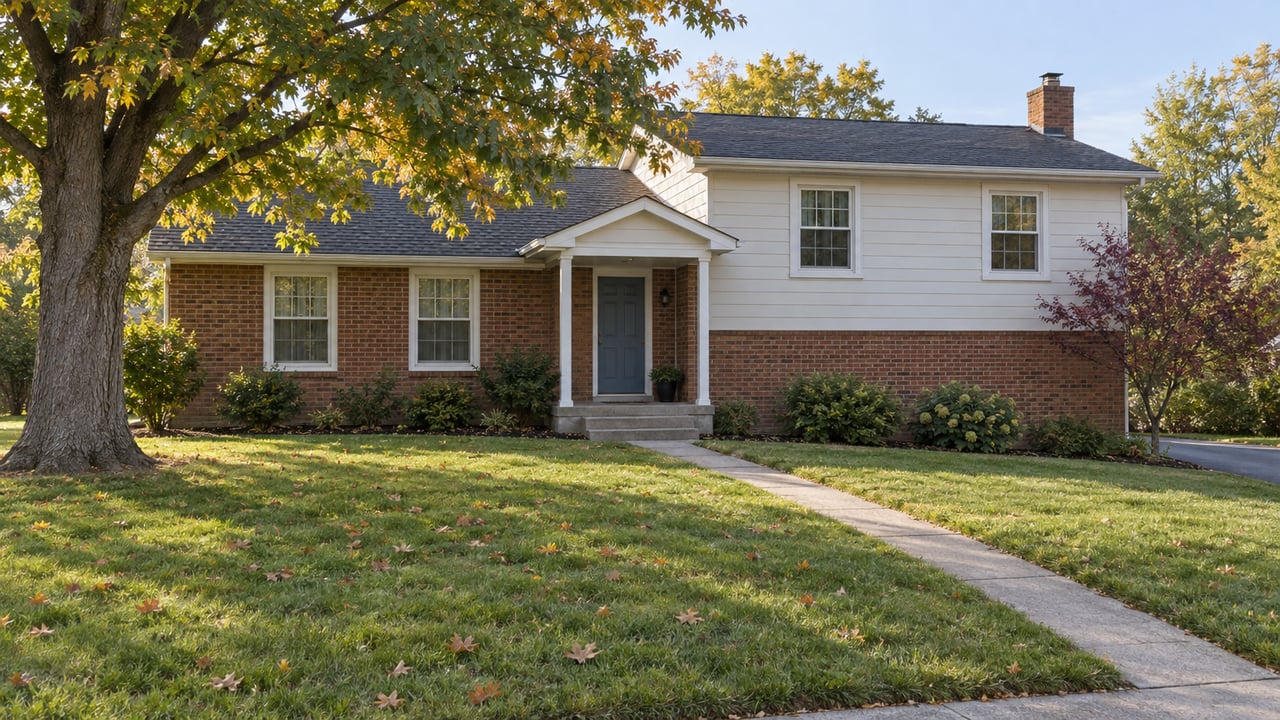
In Richmond, a starter home usually is not a large, fully updated move-up property in one of the city’s highest-priced areas. More often, it is a smaller detached house, a bungalow, a cottage, a brick ranch, a townhome, or a condo that helps you get into homeownership at a lower price point.
That matches the city’s housing mix. Richmond’s housing stock includes many detached homes, and a large share of buildings are older. The city reports that 81% of its buildings are at least 50 years old, which helps explain why many entry-level homes come with older layouts, aging systems, or cosmetic projects.
For you as a buyer, that means “starter home” is often more about functionality than perfection. You may be choosing a home with solid basics, a manageable payment, and room to improve over time rather than a fully finished dream home on day one.
Richmond’s overall market is still competitive. In March 2026, Redfin reported a median sale price of $414,500, while Zillow’s average home value was $369,646. Realtor.com also described Richmond as a seller’s market, with a 100% sale-to-list ratio and a median of 32 days on market.
That citywide picture can feel discouraging at first, but neighborhood-level pricing tells a more useful story. Richmond has a clear price ladder, and many starter-home searches tend to cluster in the mid-$200,000s to mid-$300,000s.
Here is a snapshot of current submarket median prices in Richmond:
| Area | Median Price |
|---|---|
| South Richmond | $260,825 |
| Blackwell | $315,000 |
| Old South | $336,975 |
| Swansboro | $342,000 |
| Jackson Ward | $350,000 |
| North Richmond | $365,000 |
| East End | $375,000 |
| Downtown Richmond | $389,000 |
| Near West | $492,425 |
| Museum District | $509,975 |
| The Fan | $649,950 |
ZIP code medians show a similar pattern. Realtor.com reports 23224 at $288,875, 23234 at $325,000, 23222 at $349,950, 23223 at $350,000, and 23220 at $466,275.
The takeaway is simple. If your budget is under the citywide median, your search will likely be strongest in lower-cost and mid-range areas, or in attached homes and condos in pricier locations.
Richmond’s more attainable homes are often tied to older neighborhoods and post-war suburban areas. According to Richmond 300, nearly half of residents live in streetcar neighborhoods or post-war suburbs, and historic urban and post-industrial neighborhoods have seen strong growth since 2010.
In practical terms, that means you may find more starter-home options in places where the housing stock is older and the homes are smaller. These areas can offer a more accessible entry point, but the tradeoff may be fewer updates, less square footage, or a location farther from the most in-demand central neighborhoods.
Current listing examples support that pattern. Starter-level inventory in Richmond includes condos under $300,000, older condo units, bungalow-style homes, and smaller detached properties. There are also some newer for-sale homes aimed at attainable ownership, but supply is more limited.
One of the most common Richmond tradeoffs is choosing between a lower price and a more central location. Areas with lower median prices can offer more house for the money, while close-in historic neighborhoods often come with a much higher price tag.
If you have your heart set on areas like The Fan or the Museum District, you may need a larger budget or be open to a smaller attached unit. Realtor.com’s median prices place both well above many first-time buyer budgets.
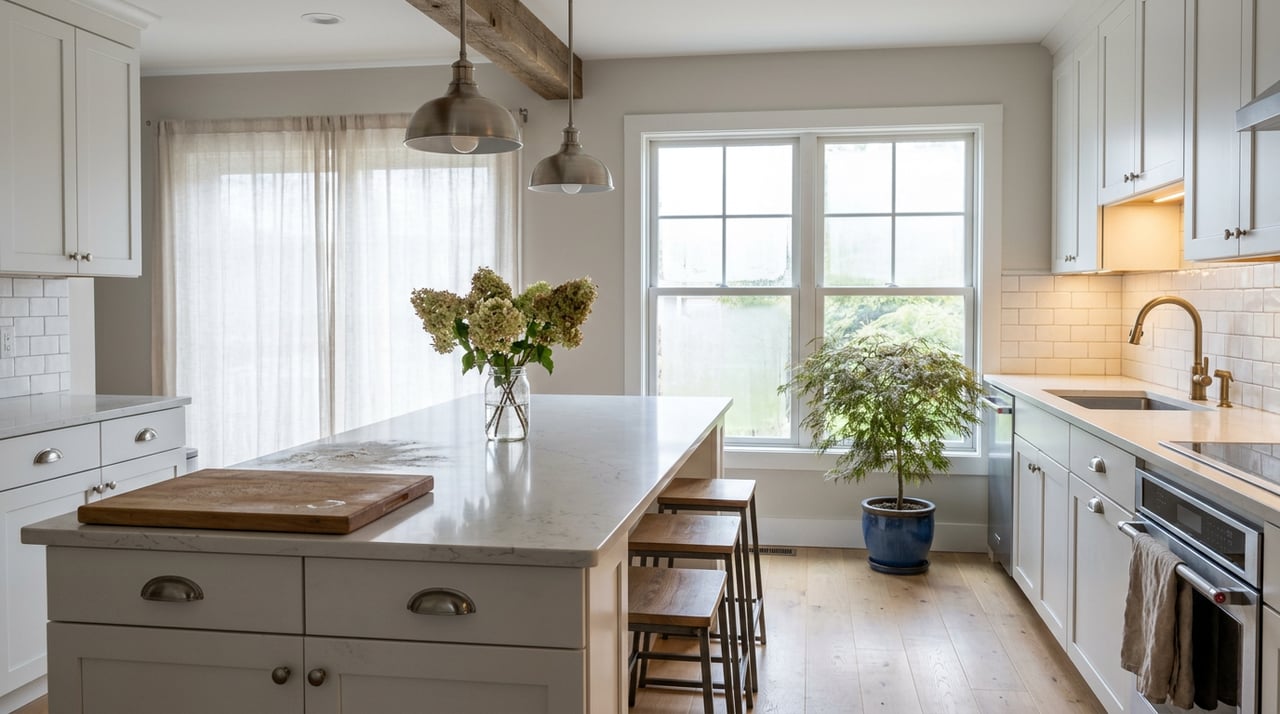
Older homes can have a lot of charm, but they may also need work. Since much of Richmond’s housing stock is older, it is common for entry-level buyers to face choices about outdated kitchens, older bathrooms, or systems that may need attention sooner rather than later.
That does not always mean a home is a bad fit. It means you need to look carefully at what work is cosmetic, what is essential, and how much time and money you want to put in after closing.
If a detached house in your target area feels out of reach, condos and townhomes can create another path into homeownership. Richmond’s under-$300,000 inventory includes examples like a 3-bedroom, 1-bath condo and a 2-bedroom, 2-bath condo.
The tradeoff is that your monthly budget has to include HOA dues. In the current examples from Redfin, those dues ranged from $230 to $617 per month. That can make a lower purchase price less affordable than it first appears, so it is important to compare total monthly cost, not just list price.
Some buyers want to avoid immediate repair projects, which makes newer construction appealing. In Richmond, newer infill and mixed-income developments can offer lower maintenance and more move-in-ready finishes.
Still, that convenience often comes with smaller yards and less privacy. Highland Grove is a good example. The city says the project includes 125 for-sale homes with detached homes, duplexes, and triplexes, including affordable for-sale homes for income-qualified buyers.
Yes, but you should expect compromise. Current examples under $300,000 tend to be smaller, older, attached, or otherwise more value-driven than the citywide median would suggest.
That does not mean they are poor choices. For many buyers, a condo, cottage, or smaller detached home can be a practical first step that builds equity and long-term stability. The key is knowing your priorities before you start touring homes.
A lower purchase price may still come with repair needs, HOA costs, or a location that is less central than you originally imagined. If you understand those tradeoffs early, you can make cleaner decisions and avoid wasting time on homes that do not fit your real budget.
Richmond buyers often focus first on list price, but your monthly payment is what really shapes your comfort level. The Census reports that the median owner-occupied monthly cost with a mortgage in Richmond is $1,920.
As you plan, think beyond principal and interest. Property taxes, insurance, HOA dues, utilities, and likely repairs all matter, especially with older homes.
Before you shop, make a clear list of what you can live with and what feels like too much work. Cosmetic updates like paint or flooring are very different from major system or structural concerns.
This step matters in Richmond because many starter homes are older. If you are realistic about your time, savings, and stress tolerance, you will make better choices.
If one neighborhood is pricing you out, a nearby area may offer a better fit. The pricing ladder across Richmond shows that small shifts in location can make a meaningful difference in what you can afford.
Flexibility can open up more options in house style, square footage, and condition. It can also help you stay competitive in a seller’s market.
With a 100% sale-to-list ratio and median days on market of 32, good entry-level homes may not sit long. That means preparation matters.
You want to be ready to act when the right home appears, but not so rushed that you ignore important details. A calm, informed approach is often your best advantage.
Richmond continues to support first-time buyers through homebuyer education and down payment assistance programs. The city also notes that HOME, Inc. offers forgivable loans of up to $15,000 for down payment and closing cost help to qualified low-income first-time buyers.
That kind of support can make a real difference when your cash needs include more than the down payment alone. Inspections, closing costs, and early repairs can put pressure on your budget, especially when you are buying an older home.
If you think you may qualify for local programs, it is worth exploring them early. They can affect how much home you can realistically pursue and how confident you feel making an offer.
Richmond still offers a path into homeownership, but starter homes here usually come with tradeoffs. In most cases, you are balancing price, space, and location rather than getting all three at once.
That is why a clear plan matters so much. When you understand the city’s pricing ladder, the types of homes that show up at entry-level price points, and the real monthly cost of ownership, you can make a decision that supports both your present budget and your long-term goals.
If you want calm, honest guidance as you sort through Richmond starter-home options, Iris Hernandez can help you make sense of the market and move forward with confidence.
Stay up to date on the latest real estate trends.


Experience a transparent, client-first approach focused on protecting your investment and delivering lasting results.