What Living in Richmond VA Is Really Like
May 14, 2026
May 14, 2026
Wondering what it’s really like to live in Richmond, Virginia? If you are thinking about moving here, you probably want more than a list of attractions or a few neighborhood names. You want to know how the city feels day to day, how easy it is to get around, and what kind of lifestyle Richmond actually offers. This guide will help you get a clearer picture of life in Richmond so you can decide if it fits your goals. Let’s dive in.
Richmond is a mid-sized city with a lot packed into a relatively compact footprint. The city had an estimated population of 233,655 in 2024 across 59.93 square miles, which helps explain why it often feels active without feeling overwhelmingly spread out.
For many buyers and renters, that balance is part of Richmond’s appeal. Census data shows a mean travel time to work of 21.7 minutes, along with a median household income of $64,587, a median owner-occupied home value of $353,000, and median gross rent of $1,372. Those numbers point to a city where urban living and daily convenience often go hand in hand.
Richmond also has a mix of homeowners and renters. The owner-occupied housing unit rate is 43.5%, which means a large share of residents rent, while many others put down roots through homeownership.
The city describes itself as a place with striking architecture, strong culture, education, and history. That description fits what many people notice first. Richmond is not just a place to work. It is a city where everyday life is shaped by older streets, distinct neighborhoods, and a strong sense of place.
One of the biggest things that sets Richmond apart is how different one area can feel from the next. The city’s preservation work is extensive, with roughly 4,006 properties under local historic review and more than 122 historic districts and nearly 28,000 properties included in state and federal listings.
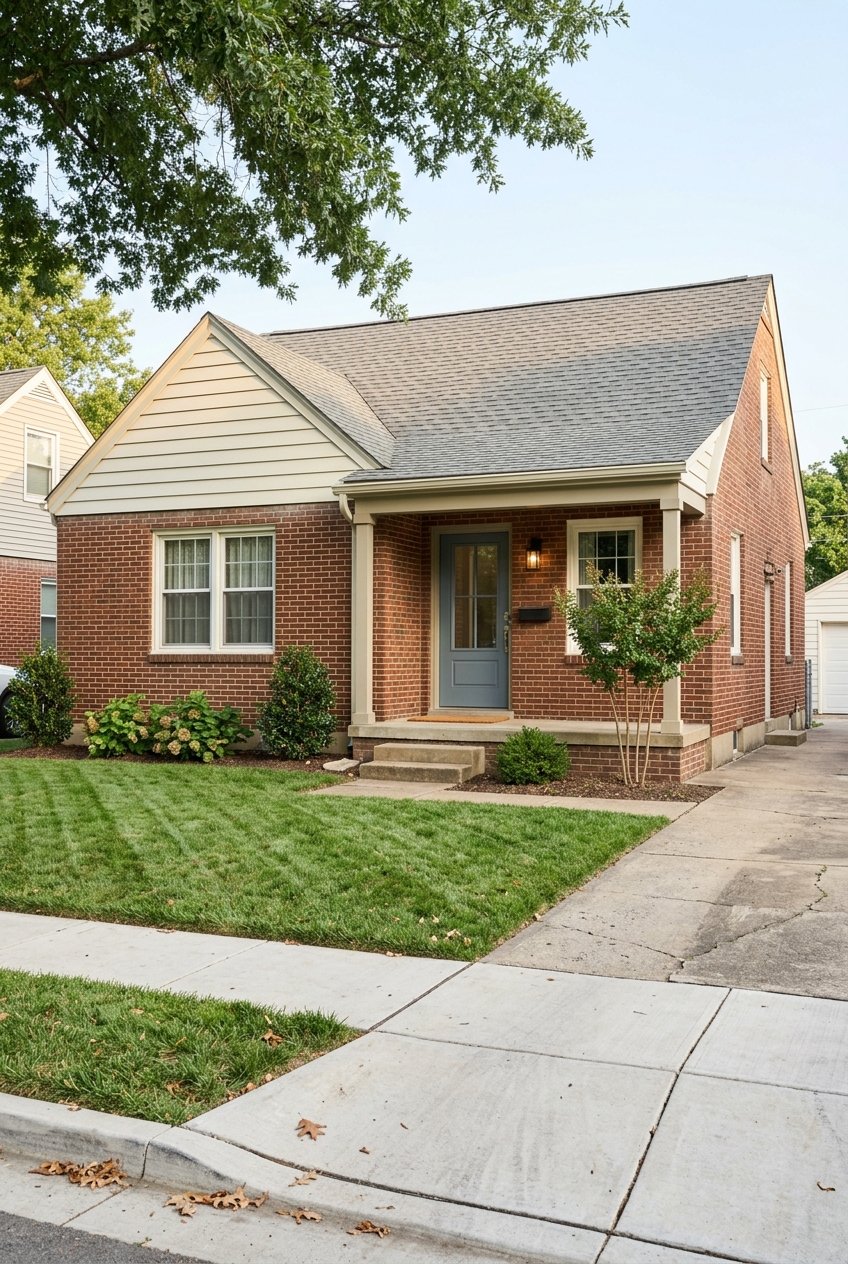
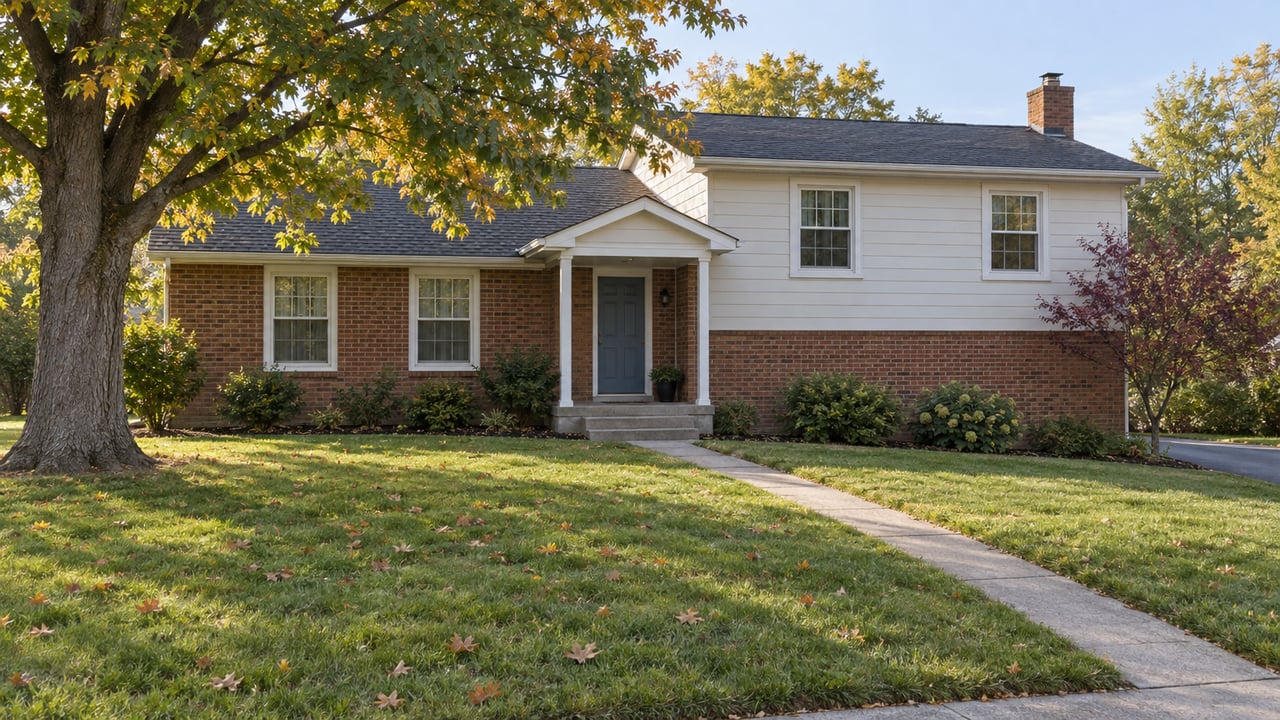
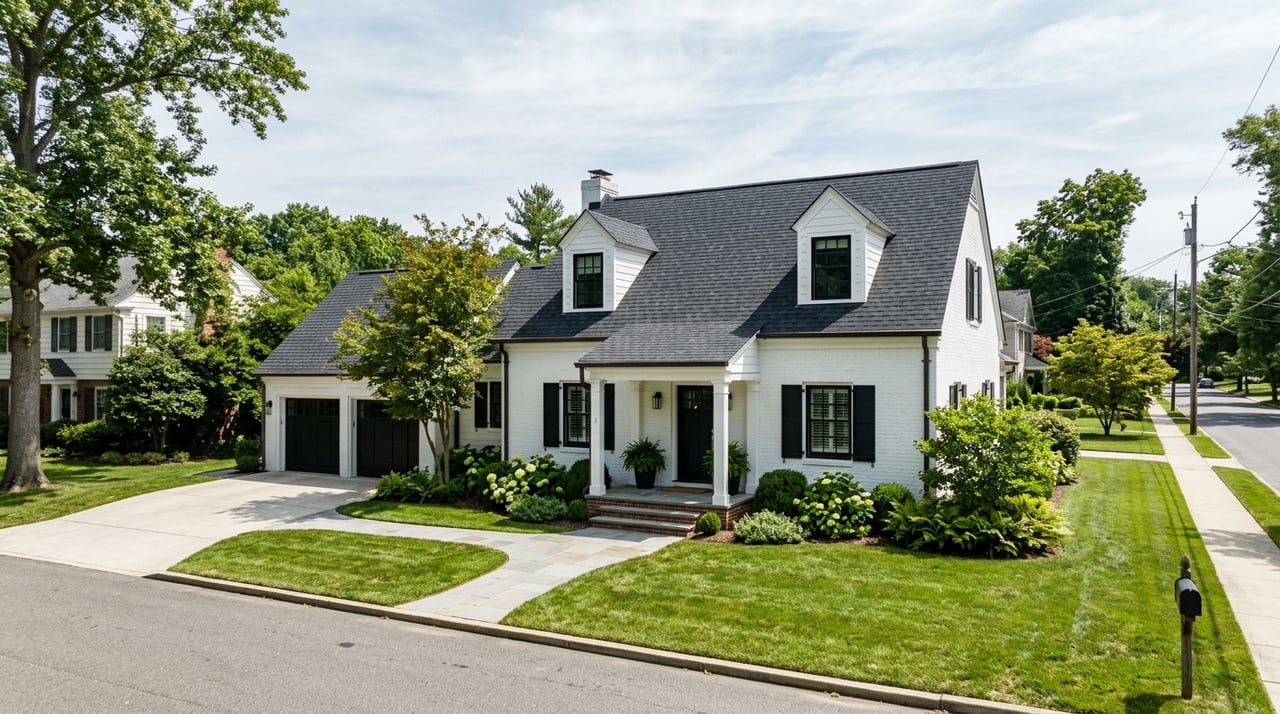
In practical terms, that means neighborhood character matters here. You may find blocks with rowhouses, historic facades, older detached homes, or more mixed urban streetscapes, sometimes within a short drive or walk of each other.
City planning and preservation documents frequently reference places such as the Fan, Museum District, Church Hill, Church Hill North, Jackson Ward, Carytown, Shockoe Bottom, Scott’s Addition, Manchester, and Monroe Ward. These are some of the areas that help shape how people experience Richmond.
Richmond 300 also identifies Downtown Core, Monroe Ward, Jackson Ward, Shockoe, Manchester, and Greater Scott’s Addition as major planning areas. That matters because much of the city’s daily activity is centered in recognizable, walkable districts rather than in one single downtown core.
If you picture Richmond as only a single-family-home market, the city tells a broader story. Current zoning work references detached houses, duplexes, rowhouses, and accessory dwelling units, and Richmond allows one ADU in all residential zoning districts subject to local rules.
The city’s zoning refresh is designed to reduce barriers, add flexibility, and improve housing choice. For you, that means Richmond offers a wider range of housing forms than some buyers expect, especially when comparing older central neighborhoods with more suburban-feeling edges of the city.
In some central neighborhoods, parking is not a small detail. Areas in the Fan and Jackson Ward use restricted residential parking districts in certain locations, so permit rules and guest parking limits can affect day-to-day convenience.
If you love older, walkable neighborhoods, this may feel like a reasonable tradeoff. If off-street parking is a top priority, it is worth paying close attention when comparing homes and blocks.
Richmond’s master plan says the city prioritizes moving people over moving vehicles. It also describes walking, biking, and transit as some of the most convenient and used forms of transportation in the city.
That planning approach shows up in daily life, especially in central areas and along key transit corridors. Depending on where you live and work, you may be able to rely less on a car than you would in many similarly sized cities.
GRTC’s Pulse bus rapid transit line runs between Willow Lawn and Rocketts Landing. It operates every 10 minutes on weekdays during peak times, every 15 to 30 minutes at other times, and does not require a fare.
The route connects major destinations such as VCU, the Arts District, Government Center, VCU Medical Center, the Science Museum, Main Street Station, and Willow Lawn. The Downtown Transfer Station also serves as a central hub, helping connect riders to the broader bus network in Richmond and Henrico County.
Richmond also works well for people who travel around the region. The city sits at the crossroads of I-95 and I-64, Richmond International Airport is about a 10-minute drive from downtown, and Main Street Station offers Amtrak service along with GRTC access.
That mix of road, rail, and air access helps make Richmond feel connected to the wider metro and the East Coast. If you need to commute, travel for work, or host out-of-town family, that convenience can be a real plus.
Bike and trail access are part of the city’s transportation picture too. Richmond highlights projects and corridors such as the Canal Walk Connector, the T. Tyler Potterfield Memorial Bridge, Virginia Capital Trail links, and Fall Line Trail segments.
For some residents, these routes support recreation. For others, they also create practical options for getting around the city without always driving.
If there is one feature that defines Richmond’s lifestyle, it is the James River. The James River Park System is a 600-acre linear park that stretches from Huguenot Flatwater to Ancarrow’s Landing and includes more than 20 miles of trails, four public boat ramps, two climbing sites, and the only Class IV whitewater rapids in an urban downtown in the United States.
That is a big part of what makes Richmond stand out. In many cities, outdoor access means planning a weekend trip. In Richmond, river access can be part of your regular routine.
Richmond’s Riverfront Plan covers both sides of the James from Belle Isle to Rocketts Landing. One of its signature features is the T. Tyler Potterfield Memorial Bridge, which creates a non-motorized connection between Brown’s Island and Manchester.
The Canal Walk adds even more everyday access. It stretches 1.25 miles along the James River and the historic Kanawha and Haxall canals, helping connect downtown, the riverfront, and nearby districts on foot or by bike.
For you, this can translate into a lifestyle with easier access to walks, runs, biking, and scenic public space. It is one of the clearest examples of how Richmond blends urban life with the outdoors.
Richmond’s identity is closely tied to its history, architecture, and cultural institutions. The city highlights museums, universities, symphony, ballet, opera, galleries, boutiques, restaurants, and historic sites as part of its civic character.
That means Richmond can appeal to people who want more than just housing options. If you enjoy living in a place where old buildings, public spaces, and local institutions help shape the atmosphere, Richmond offers that in a very visible way.
The city’s historic sites include places such as Agecroft Hall, Hollywood Cemetery, Maymont, Monument Avenue, and St. John’s Church. Even if you are not seeking out history, you are likely to notice it in the streetscape, public landmarks, and neighborhood design.
This can make the city feel layered and visually interesting. It also gives many neighborhoods a stronger sense of identity than you might find in newer, more uniform metro areas.
Richmond has a true four-season climate, which can shape how you think about home features and everyday routines. Richmond International Airport normals show a mean annual temperature of 58.9 degrees, with July averaging 79.4 degrees and January averaging 41.8 degrees.
The area receives about 45.50 inches of precipitation each year and about 8.8 inches of snowfall annually. In real life, that means summer shade, outdoor spaces, heating, and seasonal maintenance can all matter depending on the home you choose.
If you enjoy a clear change of seasons, Richmond delivers that without the heavier snowfall some colder cities experience. It is a climate that supports outdoor activity for much of the year, while still giving you a noticeable seasonal rhythm.
Richmond may be a strong fit if you want a city with neighborhood variety, a relatively compact layout, and easy access to outdoor spaces. It can also work well if you value character, want options between urban and more residential settings, or hope to keep your commute manageable.
The city may especially appeal to buyers who want more than one kind of lifestyle option. Some areas feel more walkable and urban, while others feel quieter and more residential, which gives you room to match your housing choice to your daily priorities.
Because Richmond has both renters and homeowners, older housing and evolving zoning, and a mix of historic and newer development patterns, it helps to explore the city with a clear plan. The right fit often comes down to your budget, parking needs, commute, and how much you want to be near the river, transit, or central neighborhoods.
If you are thinking about buying a home in Richmond or nearby Central Virginia, having a local guide can make the process feel much clearer. Iris Hernandez offers calm, honest guidance in English and Spanish to help you understand your options and move forward with confidence.
Stay up to date on the latest real estate trends.



Experience a transparent, client-first approach focused on protecting your investment and delivering lasting results.