Suburban Living In Chesterfield: Daily Life And Housing
June 4, 2026
June 4, 2026
Wondering what day-to-day life in Chesterfield really feels like before you buy or sell there? That question matters, because a home is not just about square footage or price. It is also about your commute, your weekend routine, the kind of neighborhood setting you want, and how well your next home fits your life. If you are thinking about suburban living in Chesterfield, this guide will help you understand the housing mix, everyday convenience, and what to watch for as you compare options. Let’s dive in.
Chesterfield offers the kind of suburban setup many buyers look for: a strong share of owner-occupied homes, established residential areas, and access to everyday essentials across the county. In 2025, Chesterfield County had 397,148 residents, 153,940 housing units, and an owner-occupied rate of 76.7%. Those numbers point to a market where many people stay put and put down roots.
That stability also shows up in mobility patterns. According to Census data, 88.7% of residents had lived in the same house one year earlier. If you want a community that feels less transitional and more settled, that is an important signal.
Chesterfield is still largely a single-family home market. County data shows 78% of the housing stock is detached single-family homes, while townhomes account for 5%, small multifamily buildings account for 8%, large multifamily buildings account for 4%, and duplex, triplex, or fourplex units account for 3%.
For many buyers, that means your search will likely center on detached homes with yards, driveways, and more traditional suburban layouts. If you prefer a lower-maintenance option, townhomes and some smaller multifamily choices are available, but they make up a smaller part of the overall market.
The county also reports that single-family homes make up 97% of owner-occupied units. That helps explain why Chesterfield often attracts buyers looking for long-term housing rather than a short-term stop.
Chesterfield sits in a moderate price range for the Richmond metro. The Census reports a median value of owner-occupied homes of $366,000, while the county’s 2023-2024 single-family sales analysis found a median sale price of $413,278.
For renters or buyers comparing rent versus ownership, the county’s median gross rent was $1,629. Chesterfield also reported a 3.8% vacancy rate, and county planning documents note that housing production has not kept pace with household growth. In practical terms, that can mean competition for well-priced homes, especially those in good condition and convenient locations.
One of the biggest misconceptions about Chesterfield is that it is all new construction. In reality, about 27% of the county’s residential building stock was constructed before 1980. That means many neighborhoods have mature trees, more established streetscapes, and homes that may have seen updates over time.
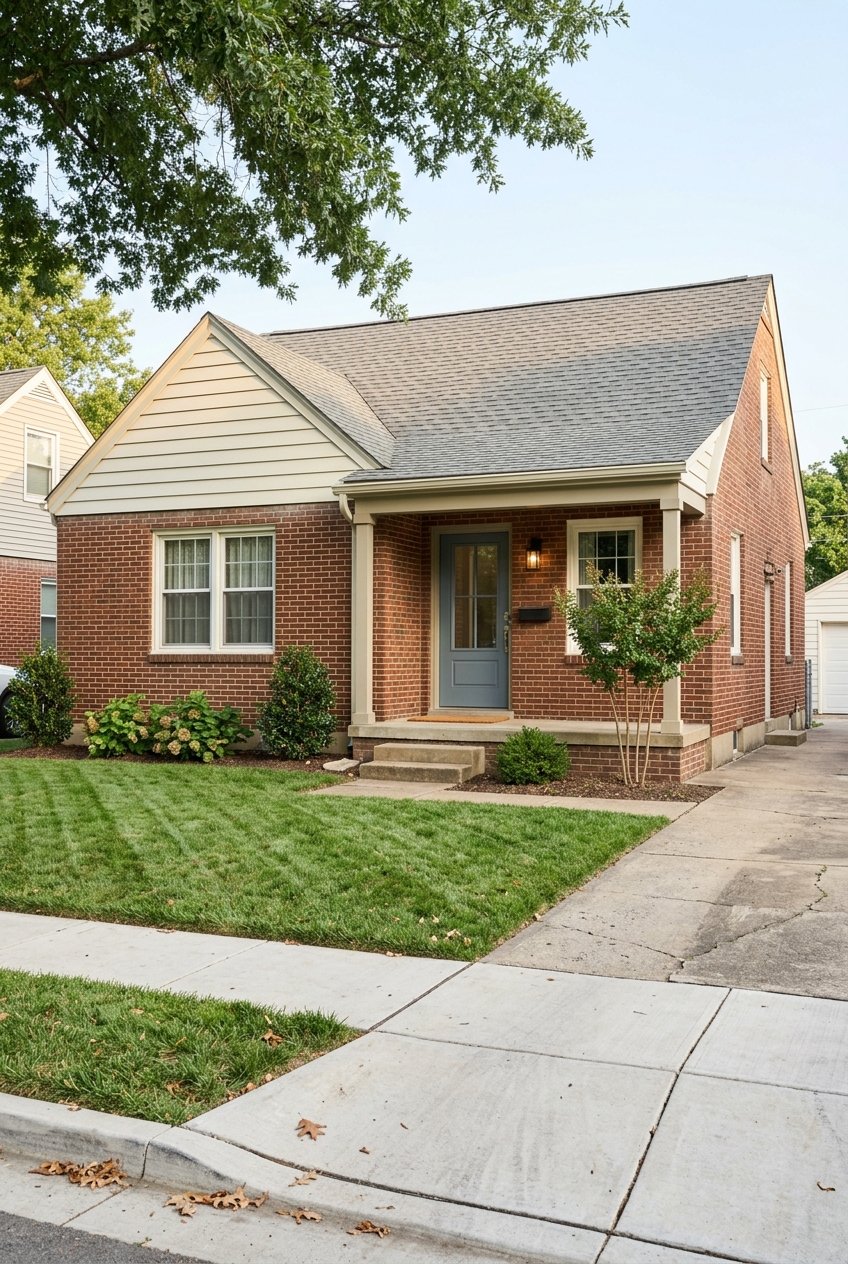
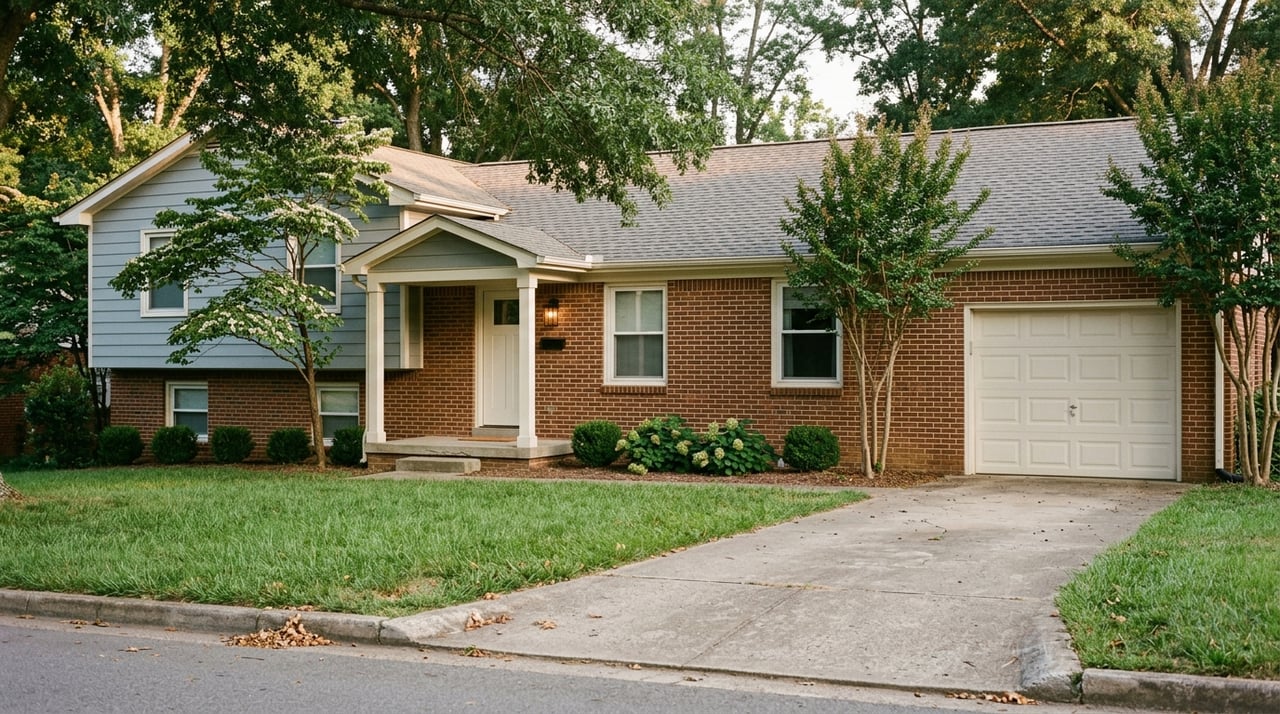
For buyers, this creates variety. You may find an older brick ranch, split-level, or traditional suburban home with character and larger lots in one area, then see newer planning patterns and smaller-lot housing options in another.
That age mix also matters if you are comparing maintenance needs. Older homes can offer strong location value and established surroundings, but they may also come with renovation or upkeep considerations. If you are selling an older home, thoughtful prep and realistic pricing can be especially important.
Chesterfield is not one-size-fits-all when it comes to lot size. County zoning modernization materials describe several future development patterns, including:
This matters because your ideal suburban lifestyle may look very different from someone else’s. You might want a larger yard for outdoor space and privacy, or you may prefer a smaller lot with less maintenance. Chesterfield’s evolving land-use approach is aimed at supporting more housing variety, which gives buyers more ways to match a home to their budget and routine.
For many households, suburban living only works if the commute does too. Chesterfield has strong regional road connections, including I-95, I-295, Route 288, US-60, US-360, and Route 150. The county also coordinates transportation projects with VDOT, and Route 288 is being widened between Powhite Parkway and Commonwealth Centre Parkway to improve corridor capacity.
The average travel time to work in Chesterfield is 26.4 minutes. That can make the county appealing if you want suburban space while staying connected to jobs and destinations across the Richmond region.
If you do not want to rely only on driving, parts of Chesterfield have public transportation access through GRTC. Service includes zero-fare local and express routes that connect across the Richmond region, including routes to downtown Richmond.
Chesterfield riders can also use free Park-N-Ride lots, including Bon Air Baptist Church on the 64x route and Commonwealth Centre 20 on the 82x route. That can be helpful if you want a suburban home base with another option for getting into the city.
The county also has LINK microtransit in the Clover Dale and Hull Street Road area. Officials describe it as an on-demand, point-to-point service designed to connect residents and businesses in areas that are not the best fit for fixed-route bus service.
Daily life in Chesterfield is not only about houses and highways. The county’s parks system includes 67 parks, 12 athletic facilities, 44 miles of trails, two rivers, and more than 700 programs each season.
That kind of access can shape your weekly routine in a real way. Whether you enjoy walking trails, playground visits, sports fields, or organized recreation, there are many ways to stay active close to home.
One of the county’s best-known outdoor destinations is Pocahontas State Park. It covers 7,919 acres and offers hiking, mountain biking, fishing, boating, camping, cabins, and a visitor center. It is also accessible from I-95, Route 288, and Route 360, which makes it an easy part of life for many Chesterfield residents.
A big part of suburban appeal is being able to handle daily errands without much hassle. In Chesterfield, shopping is concentrated along major corridors such as Hull Street Road, Midlothian Turnpike, Route 10, and Jefferson Davis Highway.
These corridors support the practical side of daily life, from groceries and services to dining and retail stops. Chesterfield Towne Center is the largest enclosed shopping center in the Richmond region and advertises more than 130 stores and restaurants, making it a major hub for errands and outings.
If you are considering Chesterfield, a few factors can tell you a lot about whether a specific area fits your lifestyle. The county data suggests that neighborhood age, lot size, and commute access are some of the most useful comparison points.
Here are a few smart questions to ask as you narrow your search:
When you look at Chesterfield through those lenses, the market becomes easier to understand. Instead of asking only, “What can I afford?” you can also ask, “What kind of daily life do I want?”
If you are selling in Chesterfield, the county’s broader profile helps explain why the area continues to attract interest. High owner-occupancy, relatively strong household income, and wide access to recreation and shopping all support the appeal of well-kept suburban homes.
That does not mean every home should be marketed the same way. A seller with an older home may need a different strategy than someone with a more updated property or a home in a smaller-lot setting. Clear positioning, honest prep advice, and realistic expectations can make a big difference.
Buyers are often comparing lifestyle just as much as features. If your home offers convenient commuting, established surroundings, outdoor access, or easy errand routes, those practical strengths may matter as much as cosmetic updates.
Chesterfield stands out because it offers a balance many households want. You get a housing market centered on detached homes, a road network that supports regional commuting, access to transit in some areas, and a strong parks and shopping base for everyday life.
Just as important, Chesterfield is varied. Some areas feel more established, some offer smaller-lot possibilities, and some are especially useful for commuters. That variety is part of what makes the county such an important option for buyers and sellers across Central Virginia.
If you are trying to decide whether Chesterfield fits your next move, the answer often comes down to how you want to live day to day. The right home here is not only about the property itself. It is also about choosing the routine, access, and setting that support your next chapter.
If you want clear, honest guidance as you buy or sell in Chesterfield or the surrounding Richmond area, Iris Hernandez is here to help you move forward with confidence.
Stay up to date on the latest real estate trends.
Experience a transparent, client-first approach focused on protecting your investment and delivering lasting results.